

For millions of Americans living with diabetes, tooth loss can feel overwhelming. Many patients wonder one crucial question: Can diabetics get dental implants?
The reassuring answer is yes, with the right precautions, medical clearance, and a dentist who prioritizes your overall health, dental implants can be a safe and successful option.
Family Dentistry of Crystal Lake, we work closely with your physician to ensure your treatment is planned carefully, comfortably, and responsibly.
How Diabetes Affects Healing and Implant Success
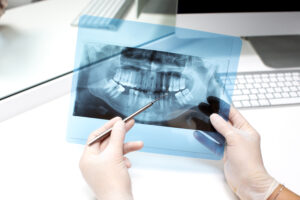
Diabetes affects the body’s healing abilities since high blood sugar levels can slow tissue repair and increase the risk of infection. Because implants rely on strong bone healing, diabetic patients must be evaluated carefully.
Studies show that well-controlled diabetic patients often achieve implant success rates similar to non-diabetic patients. The key factor is blood sugar control, not the diagnosis alone.
Ideal candidates typically have:
Medically acceptable HbA1c levels
Healthy gums and bone structure
No active periodontal disease
Good oral hygiene habits
Patients with uncontrolled diabetes face increased risks such as slower healing, implant failure, and infection, which is why careful planning is essential.
Why Medical Clearance Matters
Before implant surgery, diabetic patients should receive medical clearance from their primary care doctor or endocrinologist. This confirms that blood sugar levels are stable enough for surgery and predictable healing.
At Family Dentistry of Crystal Lake, we coordinate directly with your physician to ensure:
A safe and tailored treatment plan
Reduced complication risks
Predictable healing
Long-term implant stability
If diabetes is not yet controlled, your dentist and doctor may work together to improve your health before moving forward.
For additional education, visit the American Diabetes Association:
Steps to Ensure Safe and Stable Results With Dental Implants

Dental teams take a structured approach when treating diabetic patients:
1. Comprehensive Evaluation
Your dentist will review medical history, take digital X-rays, check gum health, and discuss your HbA1c levels.
2. Physician Clearance
Your doctor confirms whether you are medically stable for implant surgery.
3. Precise Surgical Planning
Guided and minimally invasive techniques help reduce healing time and improve success.
4. Careful Post-Op Management
Good hygiene, controlled blood sugar, and medication compliance are essential for implant healing.
5. Long-Term Follow-Up
Regular dental visits maintain implant health and monitor for any changes.
A Patient-First Approach for Those With Medical Conditions

Choosing the right dental office is crucial when you have medical conditions.
At Family Dentistry of Crystal Lake, our team is experienced in treating diabetic patients with extra care, patience, and collaboration. We never rush decisions, your health comes first.
Whether you’re replacing a missing tooth or upgrading from dentures, we’ll guide you through each step safely and comfortably.
Schedule Your Consultation Today
If you’re wondering whether dental implants are right for you, we invite you to schedule a personalized consultation.
Together with your physician, Family Dentistry of Crystal Lake will help you choose the safest and best implant plan.
Take your first step here:
Book your appointment