

Dental implants are one of the most reliable and long-lasting tooth replacement options available today. If you’re considering implants, you may be wondering: How long do dental implants last? With proper care, regular checkups, and healthy gums, dental implants can last 10, 20, or even 30+ years.
At Family Dentistry of Crystal Lake, we help patients understand what to expect from the full treatment process, from surgery to long-term maintenance.
How Long Do Dental Implants Typically Last?
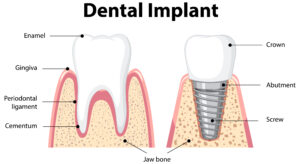
The titanium implant post itself can last decades or even a lifetime. It integrates directly with the jawbone through a process called osseointegration, making it extremely stable and durable.
However, the implant crown may need replacement after about 10–15 years, depending on wear, dental habits, and grinding. Good oral hygiene and routine cleanings significantly extend the lifespan of both the post and crown.
Most patients enjoy 90–98 percent long-term success rates, making implants one of the most predictable tooth restoration choices available.
For additional research and implant durability information, visit the American Academy of Implant Dentistry:
What Is the Treatment Timeline for Dental Implants?
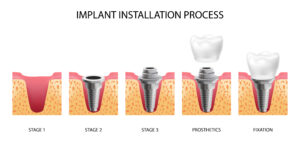
The full treatment timeline depends on bone health, healing speed, and whether extra procedures (like grafting) are needed. Here’s a general overview:
1. Consultation and Planning
Digital X-rays and 3D scans determine if you are a good implant candidate. This step takes about 30-60 minutes.
2. Surgical Placement
The implant is placed in the jawbone during a minor surgical procedure. This typically takes 30 minutes to 1.5 hours depending on the number of implants and complexity.
3. Healing and Osseointegration (3-6 months)
The implant bonds with the jawbone, forming a strong foundation for the crown.
4. Abutment and Crown Placement
Once healing is complete, the final tooth is attached. This step takes one short appointment.
From start to finish, the average patient completes the process in 4-6 months, though some cases may take longer.
Early Signs of Implant Problems
Dental implants rarely fail, but early detection is critical if something feels off. Contact your dentist immediately if you notice:
Persistent pain
Swelling or redness around the implant
Pus or discharge
Bleeding when brushing
Mobility or looseness
Difficulty chewing
These symptoms may indicate infection (peri-implantitis) or early implant failure. Quick treatment dramatically increases the chances of saving the implant.
Maintenance Tips for Long-Lasting Implants

To keep implants strong for decades:
Brush twice daily and floss around the implant
Use an electric toothbrush or water flosser
Avoid smoking, which doubles failure risk
Schedule regular cleanings every 6 months
Wear a night guard if you grind your teeth
Avoid using your teeth as tools
Maintain a healthy diet to support bone health
Most implant failures occur due to gum disease, inflammation, or lack of follow-up, all preventable with the right habits.
Crystal Lake’s Trusted Implant Team, Schedule Your Visit Today
Dental implants are a long-term investment in your smile. If you want to ensure your implants last as long as possible, or if you’re considering implants for the first time, our Crystal Lake team is here to help.
We offer thorough implant assessments, personalized treatment plans, and ongoing maintenance to support long-term success.