
As a parent, protecting your child’s smile is a top priority, especially during the years when cavities are most likely to develop. One of the most effective preventive tools available today is dental sealants for children in Crystal Lake, a simple treatment that can dramatically reduce the risk of tooth decay.
At Family Dentistry of Crystal Lake, dental sealants are a trusted, kid-friendly way to add an extra layer of protection during those cavity-prone childhood and early teen years.
What Are Dental Sealants and How Do They Work?
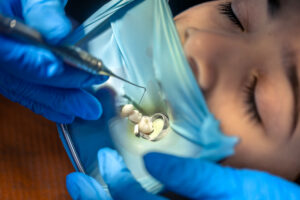
Dental sealants are thin, protective coatings applied to the chewing surfaces of a child’s back teeth, where cavities most commonly form. These grooves and pits can be difficult for kids to clean thoroughly, even with good brushing habits.
The sealant material flows into these areas and hardens quickly, creating a smooth surface that blocks out food particles and bacteria. The process is painless, non-invasive, and usually completed in just one visit.
Sealants act as a barrier, helping prevent decay before it starts.
When Should Children Get Dental Sealants?
Most children benefit from dental sealants as soon as their permanent molars erupt. This typically happens around ages 6 to 7 for first molars and 11 to 13 for second molars. Applying sealants early protects these teeth during the years when children are still mastering brushing and flossing techniques.
However, sealants can also be recommended for younger children with deep grooves in baby teeth or for teens who are prone to cavities. A personalized dental exam helps determine the ideal timing.
How Effective Are Dental Sealants for Cavity Prevention?
Dental sealants are highly effective. Research shows that sealants can reduce the risk of cavities in molars by up to 80%. They work alongside regular brushing, flossing, and professional cleanings to create a strong preventive foundation.
Sealants can last several years with proper care and routine dental visits. Dentists monitor them during checkups and can reapply them if needed to maintain protection.
For many families, sealants are one of the smartest investments in long-term oral health.
Are Dental Sealants Safe for Kids?
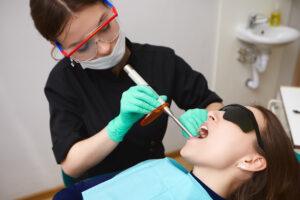
Yes, dental sealants are safe, well-studied, and widely recommended by dental professionals. The materials used are designed specifically for pediatric dental care and are applied using strict safety standards.
Because sealants don’t require drilling or numbing, children usually feel relaxed and comfortable throughout the process. Many kids don’t even realize anything has been done once they leave the appointment.
Family-Friendly Pediatric Care in Crystal Lake
Choosing the right dental provider makes all the difference in your child’s experience. Family Dentistry of Crystal Lake offers a welcoming, supportive environment where children feel comfortable and parents feel informed.
If you’re looking for an easy way to help protect your child’s teeth during critical growth years, dental sealants may be the perfect solution.