
As children grow into their teenage years, many parents begin wondering whether orthodontic treatment may be necessary. One of the most common questions families ask is: When should your teenager get braces?
The answer varies from one child to another. While some teens are ready for orthodontic treatment in early adolescence, others may benefit from waiting until additional permanent teeth have erupted. Understanding the signs of orthodontic readiness can help parents make informed decisions and ensure their teenager receives treatment at the right time.
At Family Dentistry of Crystal Lake, we work closely with families to monitor dental development and identify the ideal timing for orthodontic care.
Why Timing Matters for Braces
Orthodontic treatment is about more than creating a straighter smile. Proper alignment can improve oral health, chewing function, speech, and long-term comfort.
The teenage years are often considered an ideal time for braces because:
- Most permanent teeth have erupted
- The jaw is still developing
- Teeth generally move more predictably
- Growth can be used to help correct bite issues
Starting treatment at the appropriate stage can often make orthodontic care more efficient and effective.
What Age Do Most Teens Get Braces?
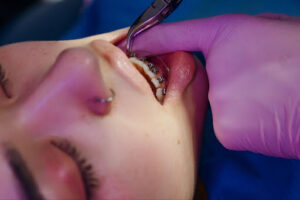
While every patient is different, many teenagers begin orthodontic treatment between the ages of 11 and 15.
By this stage:
- Most baby teeth have been lost
- Permanent teeth have erupted
- Bite alignment can be properly evaluated
- Jaw growth patterns are easier to assess
However, age alone does not determine readiness. Some teens may benefit from earlier intervention, while others may be advised to wait. A professional orthodontic evaluation is the best way to determine the ideal timing.
Signs Your Teen May Be Ready for Braces
Parents often notice certain changes that may indicate orthodontic treatment is worth exploring.
Common signs include:
Crowded Teeth
When there is not enough space in the mouth, teeth may overlap, rotate, or become difficult to clean properly.
Gaps Between Teeth
Excessive spacing may affect both appearance and function.
Bite Problems
Overbites, underbites, crossbites, and open bites can impact chewing, speech, and jaw comfort.
Difficulty Cleaning Teeth
Misaligned teeth may increase the risk of plaque buildup, cavities, and gum problems.
Jaw Discomfort or Uneven Wear
Some bite issues can place excess stress on certain teeth and jaw joints.
If you notice any of these concerns, an orthodontic evaluation may be beneficial.
What Happens During an Orthodontic Evaluation?
An orthodontic consultation is designed to assess your teen’s dental development and determine whether treatment is recommended.
The evaluation may include:
- Examination of tooth alignment
- Bite analysis
- Digital imaging and X-rays
- Growth assessment
- Discussion of treatment options
In some cases, treatment may begin immediately. In others, periodic monitoring may be recommended until the timing is optimal.
At Family Dentistry of Crystal Lake, we help families understand their options and develop a personalized treatment plan based on each teenager’s needs. Learn more about our patient-centered approach to care.
Benefits of Addressing Orthodontic Issues Early
While braces are often associated with aesthetics, the benefits extend well beyond appearance.
Orthodontic treatment may help:
- Improve oral hygiene by making teeth easier to clean
- Reduce abnormal tooth wear
- Improve bite function
- Support healthy jaw development
- Increase confidence and self-esteem
Many teenagers report feeling more comfortable smiling and speaking after treatment is completed.
According to the American Association of Orthodontists, early identification of orthodontic concerns can often simplify treatment and improve long-term outcomes.
Modern Orthodontic Options for Teens
Today’s teenagers have more orthodontic options than ever before.
Depending on the situation, treatment may involve:
Traditional Braces
Metal braces remain one of the most effective solutions for correcting complex alignment issues.
Clear Braces
These braces function similarly to traditional braces while offering a less noticeable appearance.
Clear Aligners
For some patients, removable aligners provide a discreet alternative to braces.
The best option depends on your teenager’s specific orthodontic needs, lifestyle, and treatment goals.
Supporting Your Teen During Treatment
Adjusting to braces takes time, but most teens adapt quickly.
Parents can help by encouraging:
- Consistent oral hygiene
- Regular dental visits
- Following orthodontic instructions
- Wearing retainers when treatment is complete
Support and encouragement throughout the process help teens stay motivated and achieve the best possible results. Preventive care remains important before, during, and after orthodontic treatment
Schedule an Orthodontic Evaluation in Crystal Lake
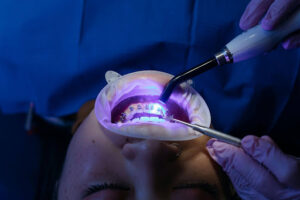
If you’re wondering whether your teenager is ready for braces, the best first step is a professional evaluation. Every smile develops differently, and personalized guidance can help determine the right timing for treatment.
At Family Dentistry of Crystal Lake, we help families navigate orthodontic decisions with education, transparency, and individualized care. Schedule an appointment today to learn more about your teen’s orthodontic options and long-term smile goals.