

A broken tooth can be stressfull, and for patients with dental implants, the idea of damage to their restoration can be equally worrying. The good news is this: while natural teeth and dental implants can break under certain conditions, most problems are preventable with the right habits and protective care.
At Family Dentistry of Crystal Lake, we help patients understand the causes of breakage and how to keep their smiles strong for years to come.
Can Natural Teeth Break? Yes, and Here’s Why

Natural teeth are strong, but not indestructible. Breakage can happen for several reasons, including:
1. Trauma or accidental impact
Falls, sports injuries, and biting down on hard foods (like nuts, ice, or hard candy) can cause fractures or chips.
2. Teeth grinding (bruxism)
Grinding puts excessive pressure on your teeth, often causing cracks, wearing, or breakage over time. Many people grind at night without realizing it.
3. Large fillings or weakened enamel
Older dental work or thinning enamel can make a tooth more prone to fractures.
4. Poor oral habits
Opening packages with teeth, chewing ice, or nail-biting may seem harmless but can create stress fractures over time.
Can Dental Implants Break? It’s Rare, But Possible
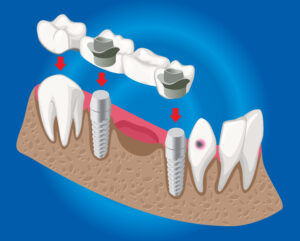
Dental implants are extremely durable, the titanium post itself rarely breaks. However, other components can be damaged:
1. The crown
The artificial tooth attached to the implant can chip or break if exposed to trauma or grinding.
2. The abutment
This connector part may loosen or fracture if excessive pressure is applied.
3. The implant post
While extremely rare, trauma or severe untreated infection (peri-implantitis) may compromise the implant.
Even though breakage is uncommon, it’s important to maintain strong oral habits to protect your investment.
For additional insight into implant durability, you can visit the American Academy of Implant Dentistry:
Why Wearing a Night Guard Is Essential
One of the most effective ways to protect both natural teeth and dental implants is by wearing a custom night guard.
A night guard can help:
Absorb grinding pressure
Prevent cracking or chipping
Reduce jaw tension and headaches
Protect restorations, crowns, and implant-supported teeth
Extend the lifespan of your dental work
Store-bought night guards don’t offer the same level of protection because they lack proper fit and cushioning. At Family Dentistry of Crystal Lake, we create custom guards designed for maximum comfort and durability.
Early Signs of Damage to Watch For
Recognizing problems early can prevent more severe breakage or implant complications. Contact your dentist if you notice:
A sharp edge on a tooth
Pain when biting down
Sensitivity to temperature
A fractured corner or small chip
Clicking or looseness around an implant crown
Grinding or clenching without awareness
If caught early, many issues can be repaired quickly, often without needing major treatment.
How to Protect Your Teeth and Implants Long-Term
Long-term protection combines daily habits and routine dental care:
Wear a night guard if you grind your teeth
Avoid chewing on ice or hard foods
Schedule regular checkups every six months
Address bite issues or misaligned teeth
Use a mouthguard for sports
Avoid using teeth as tools
Maintain strong brushing and flossing habits
These simple practices help preserve both natural teeth and restorative work.
Protect Your Smile, Schedule an Exam Today
Whether you want to prevent future damage, check on a recent implant, or be fitted for a custom night guard, our team at Family Dentistry of Crystal Lake is here to help.
Your smile deserves long-term protection, and we specialize in keeping both natural teeth and dental implants healthy and strong.