
If you’re missing one or more teeth, you’ve likely come across two of the most common replacement options: dental implants and dentures. Both treatments can restore your smile, improve your ability to eat and speak, and help you regain confidence. However, they work very differently, and the best choice depends on your oral health, lifestyle, goals, and budget.
When comparing dental implants vs dentures, it’s important to understand the advantages and limitations of each solution. At Family Dentistry of Crystal Lake, we help patients evaluate all available options so they can make informed decisions about their long-term oral health.
Why Replacing Missing Teeth Matters
Many people think missing teeth are primarily a cosmetic concern. While appearance is certainly important, tooth loss can affect much more than your smile.
Missing teeth may lead to:
- Difficulty chewing certain foods
- Changes in speech
- Shifting of surrounding teeth
- Bone loss in the jaw
- Changes in facial appearance
- Increased strain on remaining teeth
Replacing missing teeth can help maintain both oral function and overall quality of life.
Understanding Dentures
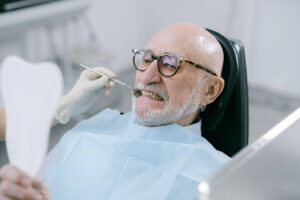
Dentures are removable appliances designed to replace missing teeth and surrounding tissue. They have been used successfully for many years and remain a popular treatment option for patients with significant tooth loss.
There are several types of dentures:
Full Dentures
Full dentures replace an entire upper or lower arch of teeth.
Partial Dentures
Partial dentures are used when some natural teeth remain healthy and can help support the appliance.
Implant-Supported Dentures
These dentures combine traditional denture design with implant support for additional stability.
Dentures can restore appearance and basic function while often requiring less initial treatment than implants.
Understanding Dental Implants
Dental implants are artificial tooth roots placed into the jawbone to support replacement teeth. Once healed, they provide a stable foundation for crowns, bridges, or full-arch restorations.
Dental implants are designed to:
- Function like natural teeth
- Preserve jawbone structure
- Improve chewing efficiency
- Provide long-term stability
- Create a natural appearance
Many patients appreciate that implants do not need to be removed daily and often feel more like natural teeth than removable alternatives. Learn more about our dental implant solutions:
Comparing Dental Implants and Dentures
While both options can successfully replace missing teeth, there are several important differences.
Stability
Traditional dentures rest on the gums and may occasionally shift during eating or speaking.
Dental implants are anchored directly into the jawbone, providing greater stability.
Comfort
Many patients adapt well to dentures, but some report movement or irritation over time.
Implants generally provide a more secure feel because they become integrated with the jawbone.
Jawbone Preservation
One of the biggest advantages of implants is their ability to help preserve bone.
When teeth are lost, the jawbone may gradually shrink due to lack of stimulation. Dental implants help maintain bone by functioning similarly to natural tooth roots.
Maintenance
Dentures require removal and cleaning each day.
Dental implants are cared for much like natural teeth through brushing, flossing, and routine dental visits.
Cost
Dentures often have a lower upfront cost.
Dental implants generally require a larger initial investment but may offer long-term benefits that many patients find worthwhile.

Who May Be a Better Candidate for Dentures?
Dentures may be an excellent option for patients who:
- Are missing multiple teeth
- Prefer a non-surgical solution
- Have significant bone loss
- Need a lower-cost treatment option
- Want a relatively quick tooth replacement solution
Every patient is different, and dentures continue to provide reliable results for many individuals.
Who May Be a Better Candidate for Dental Implants?
Dental implants may be ideal for patients who:
- Want maximum stability
- Have adequate bone support
- Are committed to long-term oral health maintenance
- Prefer a fixed, non-removable solution
- Want to preserve jawbone structure
Because implants involve a healing period and surgical placement, a comprehensive evaluation is necessary to determine candidacy. Explore our restorative and surgical treatment options.
The Importance of Personalized Treatment Planning
There is no universal answer to the question of whether implants or dentures are better. The right solution depends on several factors, including:
- Oral health
- Bone density
- Number of missing teeth
- Lifestyle preferences
- Treatment goals
- Budget considerations
According to the American College of Prosthodontists, personalized treatment planning is one of the most important factors in achieving successful tooth replacement outcomes. A professional consultation allows your dentist to evaluate your needs and recommend the most appropriate solution.
Choosing the Right Option in Crystal Lake
Whether you’re considering dentures, dental implants, or implant-supported dentures, understanding the advantages and limitations of each option is essential.
At Family Dentistry of Crystal Lake, we take the time to explain your choices, answer your questions, and create a customized treatment plan designed around your goals and long-term oral health.
Schedule a Tooth Replacement Consultation
If you’re comparing dental implants vs dentures and aren’t sure which option is right for you, a consultation is the best place to start. Our team can evaluate your oral health, discuss your priorities, and help you determine the treatment solution that best fits your lifestyle and needs.
Contact Family Dentistry of Crystal Lake today to schedule your consultation.