
A professional dental cleaning is one of the easiest and most effective ways to protect your oral health. After leaving your appointment, however, many patients ask the same question: how long after a dentist cleaning can I eat?
The answer depends on the type of cleaning you received and whether additional preventive treatments (such as fluoride) were applied during your visit. Understanding when it’s safe to eat and what foods to avoid can help you maximize the benefits of your cleaning and keep your teeth healthy between appointments.
At Family Dentistry of Crystal Lake, we encourage patients to take a proactive approach to preventive care, including following simple post-cleaning recommendations that support long-term oral health.
When Is It Safe to Eat After a Standard Dental Cleaning?
For most routine dental cleanings, you can eat almost immediately after your appointment. Once the cleaning is complete, your teeth and gums are clean, and there are typically no restrictions on eating or drinking.
However, because the cleaning process may leave your gums slightly sensitive (especially if plaque or tartar buildup was removed) you may feel more comfortable choosing softer foods for the first few hours.
Good options include:
- Yogurt
- Scrambled eggs
- Soup (not too hot)
- Smoothies
- Soft fruits
If your gums feel tender, avoiding crunchy or hard foods temporarily can help reduce irritation.
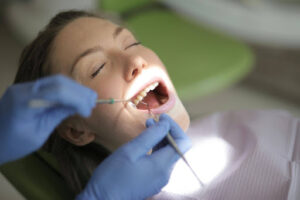
What If You Received a Fluoride Treatment?
Fluoride treatments are often recommended after a cleaning because they help strengthen enamel and reduce the risk of cavities.
If fluoride was applied, your dentist or hygienist may recommend waiting before eating or drinking. The exact time depends on the type of fluoride used, but many modern fluoride varnishes allow patients to eat relatively soon afterward.
In most cases:
- Wait at least 30 minutes before eating or drinking
- Follow any specific instructions provided by your dental team
- Avoid hard, sticky, or crunchy foods for several hours if advised
These precautions allow the fluoride to fully absorb and provide maximum protection.
Foods and Drinks to Avoid Immediately After a Cleaning
Even when eating is allowed, some foods and beverages are best avoided right away.
Very Hot Foods and Drinks
Freshly cleaned teeth may be temporarily more sensitive to temperature changes. Hot coffee, tea, or soup may cause discomfort.
Acidic Foods and Beverages
Citrus fruits, sports drinks, and sodas can irritate sensitive areas and contribute to enamel wear.
Sticky or Hard Foods
Foods such as caramel, hard candy, or crunchy snacks may irritate freshly cleaned gums.
Dark-Colored Beverages
If fluoride treatment was applied, drinks such as coffee, tea, red wine, or dark sodas may sometimes be discouraged for a short period.
Choosing gentler foods immediately after your appointment helps maintain comfort and supports healing if your gums were sensitive during the cleaning.
Why Dental Cleanings Matter
Professional cleanings remove plaque and tartar that cannot be eliminated through brushing and flossing alone. These appointments help reduce the risk of:
- Cavities
- Gum disease
- Persistent bad breath
- Tooth loss
- More extensive dental treatments later
Regular cleanings also give your dental team an opportunity to identify small issues before they become larger problems.
According to the American Dental Association, preventive dental visits play a critical role in maintaining long-term oral health and reducing the need for more complex treatment in the future.
How Often Should You Schedule a Cleaning?
For most patients, dental cleanings are recommended every six months. However, some individuals with gum disease, a history of frequent cavities, or other oral health concerns may benefit from more frequent visits.
Schedule Your Next Cleaning in Crystal Lake
A professional dental cleaning is one of the simplest ways to protect your smile and maintain healthy teeth and gums. Following a few post-cleaning guidelines can help you get the most out of your visit and keep your mouth feeling fresh and healthy.
If it’s been a while since your last cleaning, now is a great time to schedule an appointment. Our team is here to provide comfortable, preventive dental care for patients of all ages.
Contact Family Dentistry of Crystal Lake today to schedule your next cleaning.