
If you’re preparing for dental implant surgery, it’s completely normal to wonder: How long after dental implants can I eat normally? Eating is a major part of daily life, and the good news is that with proper care and a gradual return to solid foods, most patients can resume normal eating patterns sooner than expected.
At Family Dentistry of Crystal Lake, we guide patients through every step of the process so healing feels safe, comfortable, and predictable.
The First 24 Hours: Stick to Soft, Cool Foods

Immediately after surgery, your mouth will be numb, swollen, and sensitive. For the first 24 hours, patients should stick to soft, cool foods and avoid anything that requires chewing.
Recommended foods:
Yogurt
Applesauce
Smoothies (no straws)
Mashed potatoes
Protein shakes
Pudding or Jell-O
Avoid hot foods and drinks during this period, as they can increase bleeding. Also avoid straws, as suction can disrupt the blood clot and slow healing.
Days 2–7: Slowly Introduce Lukewarm, Soft Options
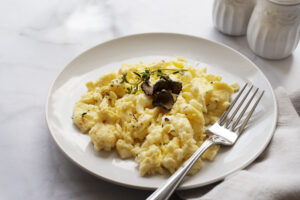
After the initial 24 hours, you can begin incorporating soft, warm foods, but still avoid chewing near the implant site.
Safe options at this stage include:
Scrambled eggs
Soft pasta
Oatmeal
Cottage cheese
Steamed vegetables
Soft fish (like tilapia or salmon)
During this phase, focus on gentle, non-irritating foods and chew on the opposite side of your mouth.
Week 2 and Beyond: Gradual Return to Normal Foods
Most patients can begin reintroducing normal foods around 2 weeks after implant surgery, but chewing should still be done carefully and away from the implant site. Tough or crunchy foods should continue to be avoided until your dentist confirms stability.
Examples of foods you can usually eat by Week 2:
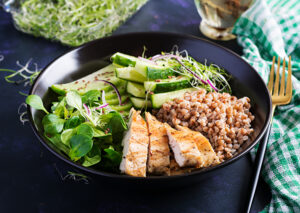
Chicken (soft, shredded)
Rice
Soft bread
Canned fruits
Tender vegetables
However, foods like nuts, crunchy snacks, steak, and sticky candy should be postponed until your dentist clears you.
For more detailed implant healing information, the American Academy of Implant Dentistry offers helpful resources.
When Can I Fully Eat Normally Again?
Most patients resume completely normal eating anywhere from 6 to 12 weeks after surgery, depending on:
The number of implants
Whether bone grafting was needed
Individual healing response
Overall health and nutrition
How well post-op instructions are followed
Your dentist will evaluate the implant site during check-ups and let you know when it’s safe to return to your regular diet.
Tips to Avoid Irritation Near the Implant Site
Even as you return to normal foods, certain habits help maintain comfort and protect your healing implant:
Chew on the opposite side of your mouth
Avoid foods with sharp edges (chips, crusty bread)
Skip sticky candies and gum
Keep the area clean but avoid brushing the surgical site directly for the first few days
Stay hydrated with water
Choose foods rich in vitamins and protein to speed healing
Proper nutrition supports faster recovery and reduces the risk of complications.
Balanced Nutrition Helps You Heal Faster
What you eat after implant surgery directly influences how quickly your body heals.
Consider foods that are:
High in protein
Rich in vitamins A, C, and E
Easy to digest
Anti-inflammatory
These nutrients help repair tissue, reduce inflammation, and support strong bone integration around the implant.
Schedule a Follow-Up Before Returning to Your Normal Diet
Every patient heals differently. Before returning to completely normal eating habits, schedule a follow-up with Family Dentistry of Crystal Lake to make sure your implant is healing correctly.
Your comfort and safety are our priority.
Let our team guide you through a smooth and confident recovery.