Replacing a missing tooth can feel like a long road, especially when you hear about extractions, bone grafts, months of healing, and then the implant itself. If you are hoping for a shorter path, immediate dental implants may be worth a conversation. For the right patient, placing the implant at the same time the tooth is removed can reduce the number of procedures, and in some cases it can eliminate the need for a separate bone grafting surgery. Here is how it works, when it may apply, and what to keep in mind.
How Immediate Implants Work After Tooth Extraction
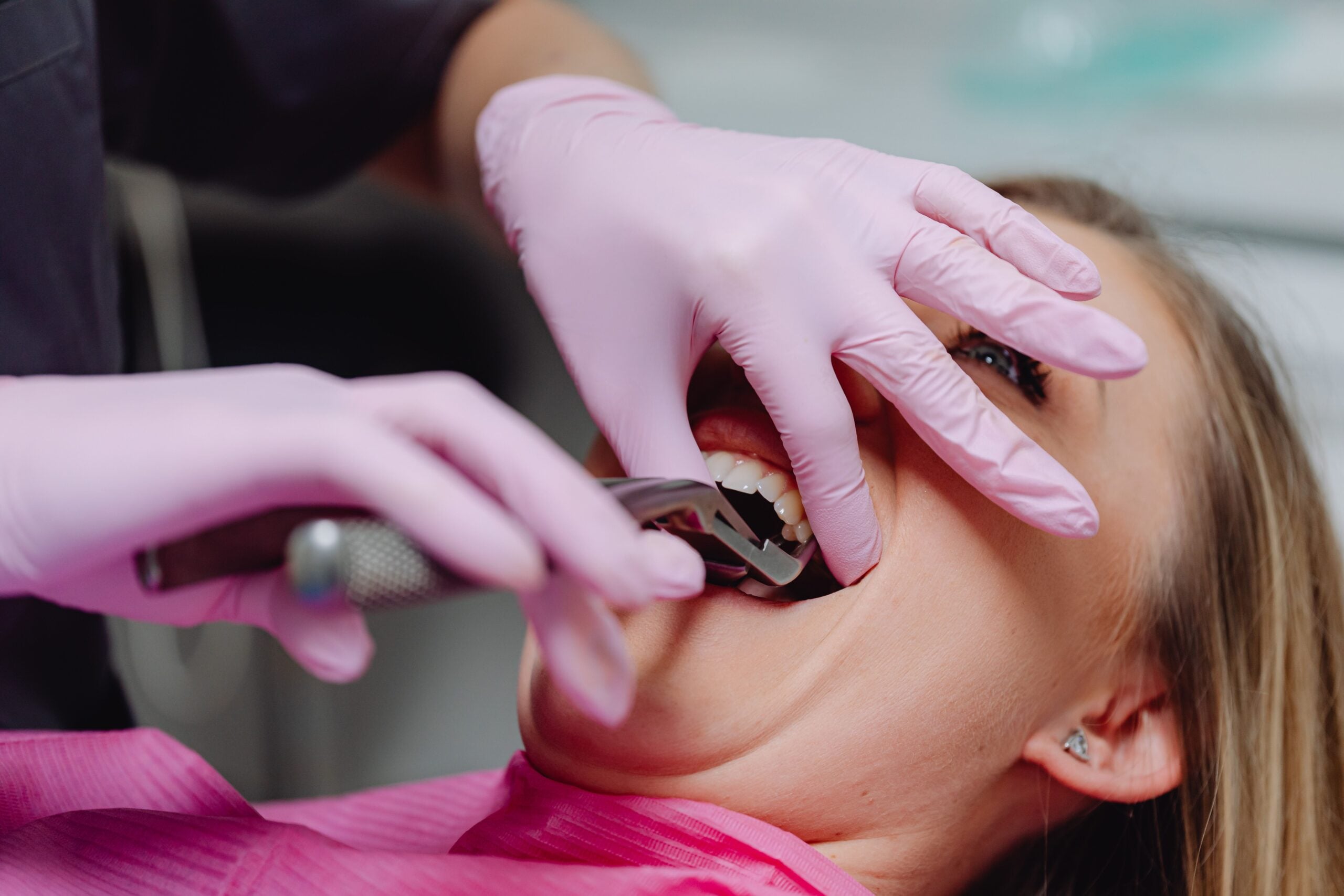
With immediate dental implants, the implant is placed directly into the socket during the same visit as the extraction. Instead of waiting months for the area to heal before starting implant surgery, treatment moves forward right away. This can help preserve jawbone and gum structure and often means fewer office visits than a traditional timeline.
A thorough evaluation comes first. Digital imaging and a clinical exam show whether the tooth can be removed without damaging the surrounding bone and whether the socket can hold an implant securely.
It is worth clarifying what same day dental implants usually mean. The implant is placed the day the tooth comes out, but it still needs several months to fuse with the bone. The final crown is typically placed after healing, though depending on your case a temporary tooth may be possible.
Aftercare matters as much as placement. Following instructions on diet, hygiene, and follow-up visits helps the implant heal and integrate, and your dentist will explain what to expect in the days after surgery.
When Bone Grafting May Not Be Necessary
A separate bone graft is often recommended when there is not enough bone to support an implant. With immediate placement, that step may not be needed when the conditions are right:
- The bone around the tooth is healthy and the socket walls are intact
- There is enough bone to hold the implant firmly in place
- There is no active infection that has damaged the surrounding bone
- The gums are healthy, with no untreated gum disease
Even then, every case is different. Placing an implant in a fresh socket does not stop the bone from reshaping, so in some patients a small amount of graft material is placed around the implant during the same visit. That is not the same as a separate grafting surgery, but it is a good reason to rely on your dentist’s assessment instead of assuming you can skip grafting.
Potential Savings in Treatment Time and Costs
The potential savings come from simplifying the process. Combining extraction and implant placement can mean one surgical visit instead of two, a shorter overall timeline, and fewer appointments. If a separate grafting procedure is avoided, that expense may be avoided too. Fewer visits can also mean fewer days off work and less time managing a gap in your smile, which many patients count as a real saving even when it is hard to put a dollar figure on it.
Cost depends on your situation, including the type of restoration and whether any additional treatment is needed, so there is no single number that applies to everyone. A personalized evaluation is the best way to understand what your treatment would involve.
The Importance of Adequate Bone and Gum Health
Immediate implants work best when the foundation is strong. Healthy bone gives the implant stability, and healthy gums protect the area while it heals. Habits and conditions such as smoking, uncontrolled diabetes, or gum disease can affect healing, so your dentist may recommend addressing them first. Imaging and a clinical exam usually show whether your bone and gums are ready.
If your bone or gums are not ready, that does not mean an implant is off the table. Treating gum disease or rebuilding bone first can give an implant a stronger start, and for some patients that is the better long-term choice.

Check Your Eligibility for Same-Day Implants in Crystal Lake and McHenry County
Family Dentistry of Crystal Lake evaluates bone quality, oral health, and bite stability to determine whether immediate implants are a good fit. If you are searching for same-day dental implants in Crystal Lake or elsewhere in McHenry County, schedule an evaluation to find out whether you are a candidate.
For context on outcomes, a systematic review and meta-analysis of immediate and delayed implant placement found high survival rates, around 97 percent, for immediate implants.