Dental implants are built to last, but that doesn’t mean they’re entirely maintenance-free. If you’ve noticed the gum tissue around an implant looking a little different, pulling back, appearing thinner, or exposing part of the implant itself, it’s worth paying attention. Catching gum recession around an implant early is one of the best ways to protect the investment you’ve already made in your smile.
Causes of Gum Recession Around Implants
Gum recession around an implant can develop for several reasons, including:
- Peri-implantitis, an infection and inflammation of the tissue surrounding the implant
- Thin gum tissue at the time of placement
- Aggressive brushing or improper cleaning technique around the implant
- Poor plaque control, allowing bacteria to build up at the gumline
- Bite forces or grinding that place excess stress on the implant site
Because an implant doesn’t have the same natural ligament attachment as a real tooth root, the tissue around it can be more vulnerable to certain types of irritation and infection if it isn’t cared for properly.
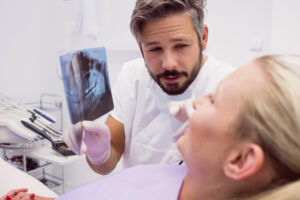
Warning Signs Such as Exposed Implant Areas or Inflammation
A few signs are worth watching for around any dental implant:
- Gum tissue that looks like it’s pulling away from the implant or crown
- Visible metal at the base of the implant that wasn’t there before
- Redness, swelling, or tenderness around the implant site
- Bleeding when brushing or flossing near the implant
- A change in how the crown or implant feels when you bite down
None of these signs should be ignored. Left untreated, gum recession around an implant can progress to more serious bone loss and, in advanced cases, threaten the stability of the implant itself.
Treatment and Prevention Options
Treatment depends on how much recession has occurred and what’s driving it. In milder cases, a deep cleaning around the implant, combined with improved home care, can stop irritation from progressing further. More significant recession may call for a soft tissue graft to rebuild coverage around the implant, similar to gum grafting used for natural teeth.
Prevention comes down to consistent care: gentle brushing with a soft-bristled or implant-safe brush, daily flossing or use of an interdental brush around the implant, and regular checkups so your dentist can monitor the tissue and catch small changes early.
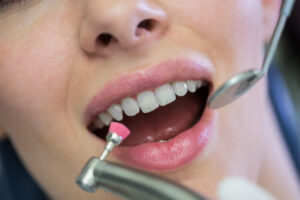
Schedule an Implant Evaluation in Crystal Lake
If you’ve noticed any changes in the gum tissue around your implant, don’t wait to have it checked. Family Dentistry of Crystal Lake provides ongoing implant care to help protect your investment for the long term. Schedule your implant evaluation today for peace of mind.
According to the National Institute of Dental and Craniofacial Research, maintaining healthy gum tissue is essential to the long-term success of any dental restoration, including implants.