If you are considering an implant, or you already have one, you may have questions about how long it will last and whether the gums and bone around it will stay healthy. Worries about bone loss, gum recession, and future complications are common, and they are good reasons to understand how different implant approaches work. Here is why bone loss can occur around implants, how bone-preserving principles differ from conventional thinking, and what supports long-term results.
Why Bone Loss Can Occur Around Implants
Bone changes around an implant happen for two main reasons. The first is early remodeling. After an implant is placed, the bone around it adjusts, and a small amount of change is considered normal. The second is bone loss that develops later, usually linked to bacterial infection and inflammation around the implant, known as peri-implantitis.
Several factors can raise the risk of later bone loss:
- Plaque buildup around the implant
- Smoking
- A history of gum disease
- Thin gum tissue around the implant
- Excess cement left behind from the crown, or a crown shape that is hard to clean
- Heavy bite forces or teeth grinding
- Certain health conditions, such as diabetes
The encouraging part is that many of these factors can be managed with good planning, careful placement, and consistent care.
If you already have an implant and feel uneasy, you do not need to wait for symptoms. A checkup can include a look at the gum tissue and an X-ray to see how the bone is holding up.

Differences in Implant Placement and Tissue Management
Many conventional implants perform well for years, so the difference is often in the level of detail. Bone-preserving approaches pay closer attention to specific choices that can influence how bone and gums behave around an implant:
- Placement depth and position. The implant is positioned deliberately within the bone, using imaging to plan where it should sit.
- Connection design. Features such as a conical connection and platform switching are used to limit bacterial leakage and keep the connection stable.
- Soft tissue management. Gum thickness and health are evaluated as part of the plan, since thin tissue has been associated with bone loss.
- Restorative steps. Some clinicians try to limit how often the abutment is removed during healing, though research on this point is mixed.
No single feature guarantees an outcome. Bone-preserving principles work as a combination, and your dentist should be able to explain which of them apply to your case and why.
Another difference is communication. A dentist who follows bone-preserving principles can usually explain, in plain language, how deep the implant will sit, how your gum thickness was evaluated, and how the restoration will be designed to be easy to clean. If those questions do not have clear answers, it is worth asking for more detail before you commit.
How Proper Planning and Maintenance Support Long-Term Results
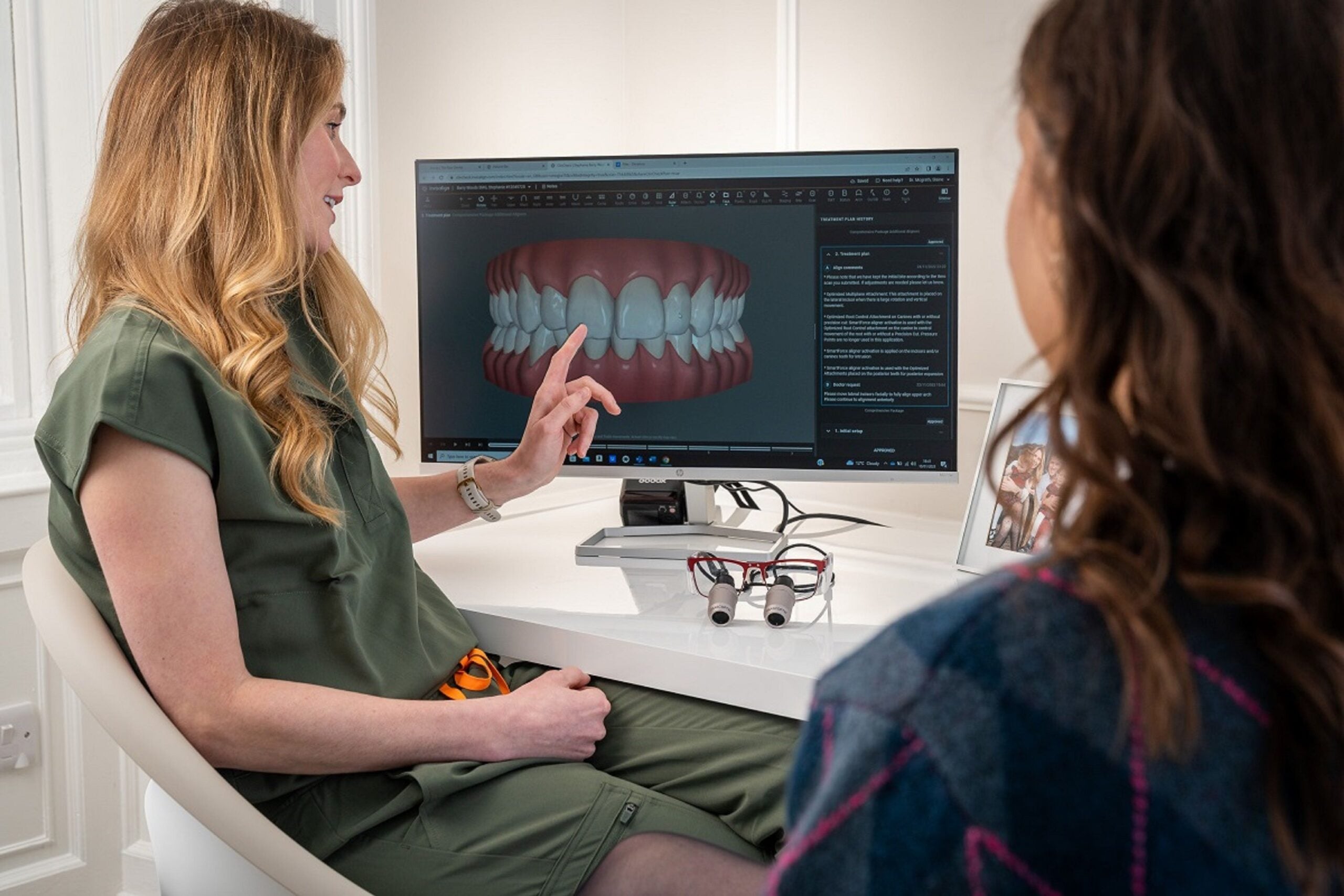
Good results start before surgery. A thorough evaluation with digital imaging shows how much bone you have, where it is, and how healthy your gums are. That information guides where the implant goes and whether any preparation, such as gum treatment, should happen first.
After the implant is restored, maintenance protects the work. Brushing and flossing daily, using interdental brushes designed for implants, and keeping up with checkups all help. Professional implant restoration and maintenance visits let your dentist check the gums, the bone, and the bite, and catch small changes early. If you grind your teeth, a nightguard can reduce excess force on the implant. Keep your dental team informed about changes in your health, such as new medications or a change in diabetes control, since these can affect healing and gum health around an implant.
Watch for warning signs such as bleeding when you brush, redness, swelling, or gums that seem to be pulling back from the implant. These deserve a prompt evaluation, since early treatment is usually simpler.
Explore Bone-Preserving Implant Options in Crystal Lake
If long-term bone health is a priority for you, a consultation is the right place to start. Family Dentistry of Crystal Lake is a local resource for implant consultations and bone health evaluations, and our team can walk you through the options that fit your situation. Schedule an appointment to explore bone-preserving implant treatment.
For more detail on what raises the risk of implant complications, a review of peri-implantitis risk indicators lists plaque, smoking, a history of periodontitis, and diabetes among the factors identified.